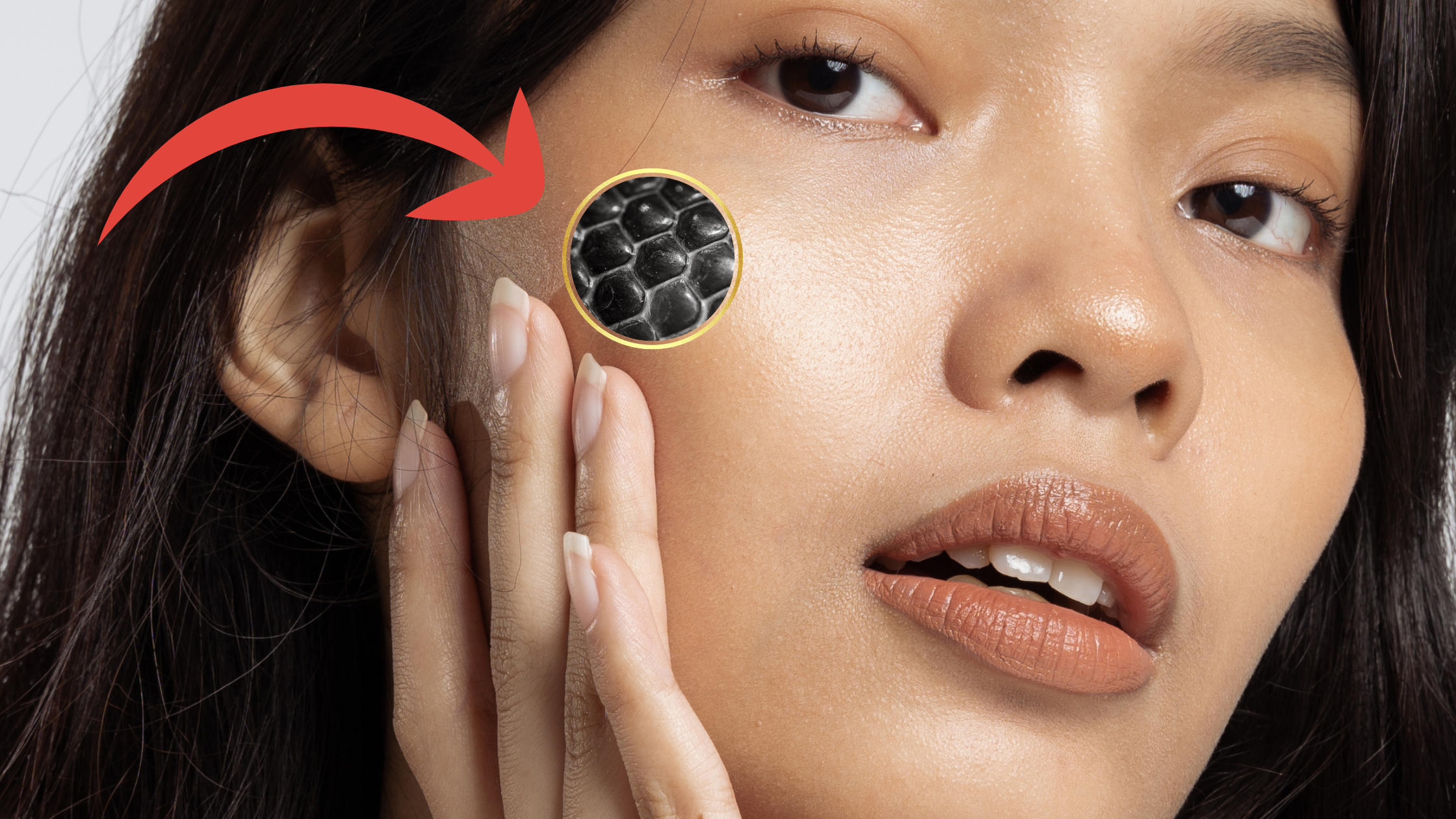
If you have ever stared at the ingredient list on your skincare products and felt completely lost, you are not alone. One term that confuses many beginners is “actives.” So, what are actives in skin care exactly? Simply put, they are the ingredients in your products that actually change your skin at a cellular level. Understanding what are actives in skin care is the first step toward building a routine that delivers real results instead of just washing money down the drain. Unlike moisturizers or cleansers that primarily cleanse or hydrate the surface, active ingredients penetrate deeper layers to treat specific concerns like acne, hyperpigmentation, fine lines, and dullness. Without knowing what are actives in skin care, you might be using expensive serums that do nothing for your unique skin needs. This guide will break down everything you need to know about these powerful compounds so you can shop smarter and treat your skin with confidence.
To fully grasp what are actives in skin care, you need to distinguish them from inactive or “base” ingredients. Inactive ingredients include water, emulsifiers, preservatives, and thickeners that give the product its texture and shelf life. Active ingredients, on the other hand, are the scientifically proven compounds that deliver measurable biological effects on the skin. When dermatologists or beauty experts ask what are actives in skin care, they are referring to ingredients like retinoids, vitamin C, alpha hydroxy acids (AHAs), beta hydroxy acids (BHAs), and niacinamide. These ingredients have undergone clinical studies to demonstrate their efficacy in altering skin structure, accelerating cell turnover, or inhibiting melanin production. The concentration of these actives also matters significantly, as a higher percentage does not always mean better results. Understanding what are actives in skin care also means recognizing that they are dose-dependent, and using too much too quickly can lead to irritation rather than improvement.
How Do Actives Work on Your Skin?
Once you understand what are actives in skin care, the next logical question is how they actually function. Active ingredients work by interacting with specific receptors, enzymes, or cellular pathways in your skin. For example, retinoids bind to retinoic acid receptors in the nucleus of skin cells, which signals your skin to produce fresh, healthy cells at a faster rate. This mechanism is why retinoids are considered the gold standard for anti-aging and acne treatment. Similarly, vitamin C acts as a potent antioxidant that neutralizes free radicals caused by UV exposure and pollution, while also inhibiting the enzyme tyrosinase to prevent dark spots. AHAs like glycolic and lactic acid work by dissolving the bonds between dead skin cells on the surface, revealing brighter and smoother skin underneath. When you ask what are actives in skin care, you are essentially asking about these targeted biological pathways that transform your skin over time. The beauty of actives lies in their specificity; you can choose exactly which active targets your primary concern instead of relying on a one-size-fits-all approach.
Common Types of Active Ingredients
Now that you have a clear answer to what are actives in skin care, let us explore the most popular categories you will encounter on product labels.
Retinoids (Vitamin A Derivatives)
Retinoids are arguably the most well-researched active ingredients in dermatology. They include over-the-counter retinol and prescription-strength tretinoin. These actives accelerate cell turnover, boost collagen production, and unclog pores, making them effective for both acne and wrinkles. When learning what are actives in skin care, retinoids are usually the first example experts cite because they address multiple concerns simultaneously. However, they can cause dryness and peeling, so beginners should start with a low concentration and apply them only at night.
Vitamin C (L-Ascorbic Acid)
Vitamin C is a powerful antioxidant that brightens skin, fades dark spots, and protects against environmental damage. It works best in the morning under sunscreen to enhance your sun protection. If you are researching what are actives in skin care, vitamin C is an essential addition because it neutralizes free radicals before they can break down collagen. Look for formulations with ferulic acid and vitamin E, as these stabilize the active and boost its efficacy.
Alpha Hydroxy Acids (AHAs)
AHAs like glycolic, lactic, and mandelic acid are water-soluble exfoliants that work on the skin’s surface. They dissolve the glue holding dead cells together, revealing a fresh layer of skin underneath. Regular use improves texture, reduces fine lines, and evens out pigmentation. When considering what are actives in skin care for dullness, AHAs are usually the top recommendation. Glycolic acid has the smallest molecule and penetrates deepest, making it highly effective but also more irritating than gentler alternatives like mandelic acid.
Beta Hydroxy Acids (BHAs)
Salicylic acid is the most common BHA and is oil-soluble, meaning it can penetrate deep into your pores to dissolve excess sebum and debris. This makes it the ideal active for acne-prone and oily skin types. If you are still asking what are actives in skin care for breakouts, the answer is almost always salicylic acid. It also has anti-inflammatory properties that calm redness and swelling associated with pimples.
Niacinamide (Vitamin B3)
Niacinamide is a versatile active that strengthens the skin barrier, reduces inflammation, minimizes the appearance of enlarged pores, and regulates oil production. Unlike other actives, it is incredibly gentle and plays well with almost every other ingredient. When learning what are actives in skin care, niacinamide is a fantastic starting point for beginners because it delivers noticeable benefits without the harsh side effects associated with retinoids or acids.
How to Choose the Right Actives for Your Skin Type
After discovering what are actives in skin care, the next challenge is selecting the right ones for your unique skin. If you have dry or sensitive skin, you should prioritize hydrating and soothing actives like niacinamide, hyaluronic acid (though technically a humectant, often grouped with actives), and gentle lactic acid. Avoid high-strength retinoids and glycolic acid, as these can strip your moisture barrier and cause severe flaking. For oily and acne-prone skin, salicylic acid, benzoyl peroxide, and retinoids are your best friends because they unclog pores and regulate sebum production. If hyperpigmentation or dark spots are your main concern, vitamin C, azelaic acid, and tranexamic acid are the actives to look for. Understanding what are actives in skin care allows you to match ingredients to your specific goals rather than buying products based on clever marketing. Do not fall into the trap of using every active at once; layering too many powerful ingredients can compromise your skin barrier and lead to redness, stinging, and breakouts. A simple rule of thumb is to introduce one new active at a time and wait at least two weeks before adding another so you can monitor how your skin reacts.
Important Safety Tips for Using Actives
Knowing what are actives in skin care also means respecting their potency and potential side effects. All active ingredients come with a risk of irritation, especially when you first start using them. This is completely normal and is often referred to as “purging,” where your skin temporarily breaks out or peels as it adjusts to the increased cell turnover. However, if you experience severe burning, swelling, or prolonged redness, you have likely damaged your skin barrier and should stop using the product immediately. Always patch test new actives on a small area of your jawline for a few days before applying them to your entire face. Sunscreen is absolutely non-negotiable when using actives, particularly AHAs and retinoids, because they make your skin significantly more sensitive to UV damage. Without daily SPF, the benefits of your actives will be undone by the sun, and you may even worsen pigmentation. When you ask what are actives in skin care, you must also ask how to protect your skin while using them. Start with the lowest concentration available and use the product every other night or every third night until your skin builds tolerance. You can gradually increase frequency as your skin becomes more resilient, but never rush the process.
Conclusion and Final Thoughts
Now that you clearly understand what are actives in skin care, you can navigate the beauty aisle with confidence and purpose. Active ingredients are the heavy lifters of any effective routine, and choosing the right ones can transform your skin in ways that basic cleansing and moisturizing never could. Remember that patience is key; most actives take at least eight to twelve weeks of consistent use to show visible results, so do not give up if you do not see a change overnight. Also, keep in mind that more is not always better. A well-formulated product with a moderate concentration of a single active will often outperform a chaotic cocktail of high-strength ingredients that irritate your skin. As you experiment with different actives, listen to your skin and adjust your routine based on how it feels and looks. Understanding what are actives in skin care empowers you to make informed decisions, save money on ineffective products, and achieve the glowing, healthy complexion you have always wanted. Whether you choose retinol for anti-aging, salicylic acid for acne, or vitamin C for brightness, you now have the foundational knowledge to use these powerful tools safely and effectively. Embrace the science of skincare and let actives work their magic for you.
Disclaimer: This guide is for informational purposes only and does not constitute medical advice. Always consult your GP or pharmacist for guidance specific to your situation.