Treatments for Common Health Issues: Understanding Self-Care
Treatments for common health issues in the UK increasingly start at home or with a local pharmacist, rather than a GP appointment. Around 80% of all care in the UK is self-care, reflecting how confident most people feel managing everyday minor ailments once they understand their symptoms and options.
Self-care means more than just treating illness once it appears; it also involves preventing problems before they start. This includes eating well, staying active, and understanding which minor conditions can be safely managed at home with rest and appropriate over-the-counter remedies. Read More:Who Is Entitled to a Free Eye Test?
Why GPs No Longer Prescribe for Minor Conditions
Many GP surgeries across the UK no longer routinely prescribe medicines for minor conditions that are easily available over the counter. This shift helps the NHS prioritise treatment for people with more serious conditions, such as cancer, diabetes, and mental health problems, rather than spending on items already accessible at pharmacies.
Conditions like coughs, colds, hay fever, and mild indigestion typically fall into this category. If you have a long-term condition requiring regular medication, such as chronic arthritis, your GP may still prescribe accordingly, since ongoing management differs from a one-off minor ailment.
Treatments for Common Health Issues: Colds, Coughs, and Sore Throats
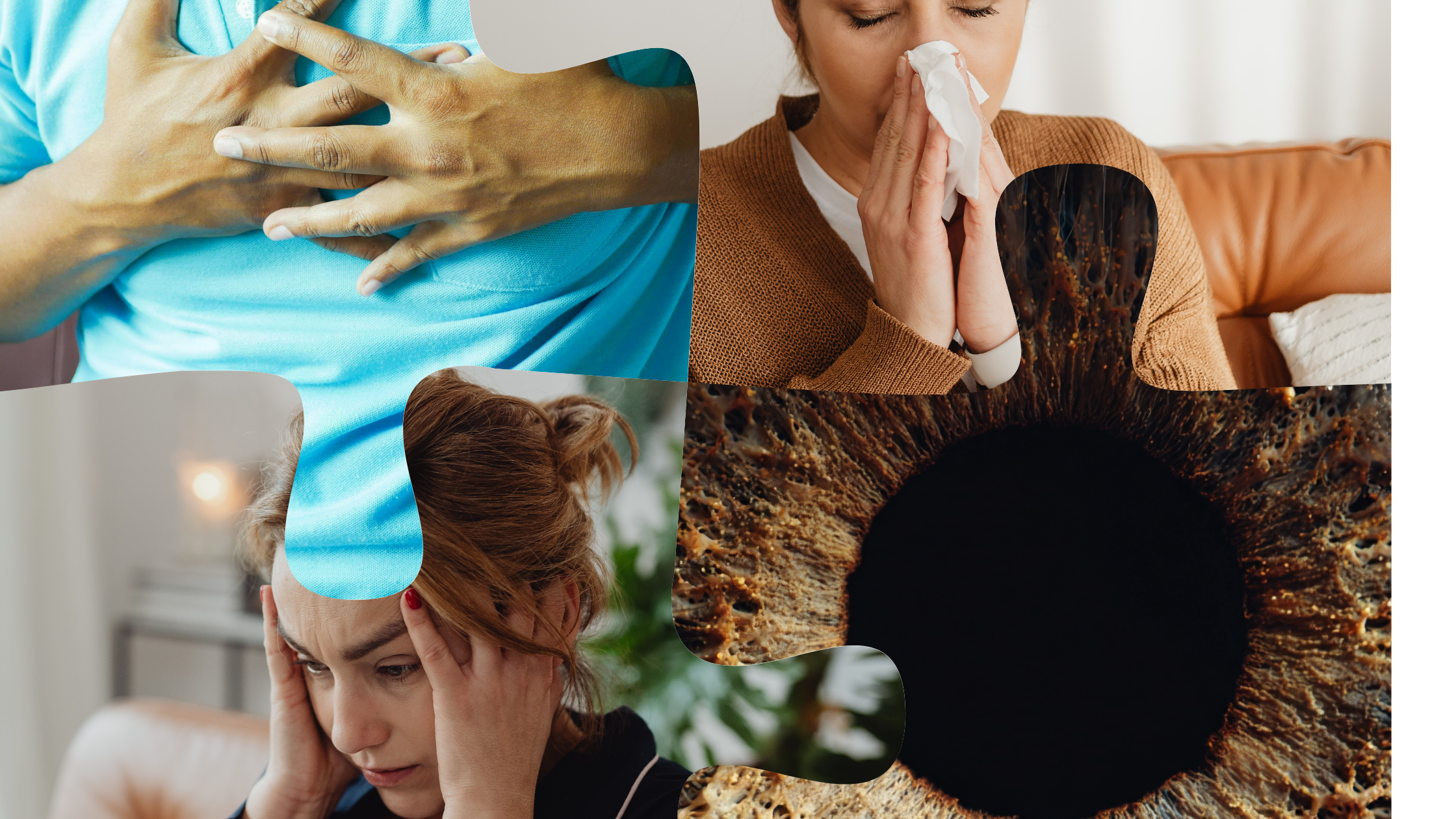
Among the most frequent treatments for common health issues, respiratory complaints like colds and coughs are usually managed entirely at home. Rest, staying hydrated, and simple over-the-counter remedies from a pharmacy are typically enough to ease symptoms while your body fights off the infection naturally.
Sore throats often respond well to warm drinks, throat lozenges, and paracetamol or ibuprofen for pain relief, always following packet dosage instructions carefully. Most colds clear within a week to ten days, though a pharmacist can advise if your symptoms seem to be lasting longer than expected.
Headaches and Minor Aches
Headaches and general aches and pains represent another common reason people seek treatment, and most respond well to simple self-care approaches. Rest, hydration, and appropriate over-the-counter pain relief are usually sufficient, alongside identifying and reducing triggers like poor sleep, dehydration, or prolonged screen time.
If headaches become frequent, severe, or unusual for you personally, it’s worth speaking to a pharmacist or GP rather than continuing to self-treat indefinitely. Persistent or worsening symptoms are always a signal to seek professional advice rather than relying solely on home remedies.
Treatments for Common Health Issues: The Role of Your Pharmacist
Pharmacists play a central role in delivering treatments for common health issues without requiring a GP appointment at all. Trained to recognise a wide range of minor ailments, they can offer clinical advice, recommend appropriate over-the-counter medicines, and identify when a condition needs further medical attention.
Most pharmacies offer private consultation areas for confidential discussions about your symptoms, with many open evenings and weekends without needing an appointment. This accessibility makes pharmacies a genuinely convenient first stop for minor conditions rather than waiting for a routine GP slot.
Building a Basic Home Medicine Cabinet
Keeping a well-stocked medicine cabinet at home supports faster, more convenient treatment for common health issues as they arise. Having essentials ready means you’re not searching for basic remedies at the moment you actually need them, particularly during evenings or weekends.
Paracetamol and ibuprofen for pain and fever relief
Antihistamines for allergies and hay fever symptoms
Anti-diarrhoea medicine and oral rehydration salts
Indigestion treatment for occasional stomach discomfort
Plasters and basic wound care supplies
Treatments for Common Health Issues: Knowing When to Seek Further Help
While many treatments for common health issues can be managed independently, recognising when a condition needs professional attention remains essential. Symptoms that persist, worsen, or feel unusual compared to your normal health pattern are signals to seek advice rather than continuing with self-care alone.
NHS 111 offers a straightforward way to get guidance when you’re unsure what to do next. Available online or by phone, it can direct you toward self-care advice, an appropriate pharmacy service, or a booked appointment with an urgent care service if needed.
Recognising a Genuine Emergency
Some symptoms require immediate emergency care rather than self-treatment or a routine appointment. Severe bleeding, chest pain suggesting a possible heart attack, and severe shortness of breath all warrant calling 999 immediately, since rapid professional intervention can be genuinely lifesaving in these situations.
Injuries involving a suspected broken bone or wounds needing stitches are often better addressed at a hospital or minor injuries unit than a GP surgery. Knowing this distinction in advance helps you respond quickly and appropriately when a more serious situation actually arises.
Final Thoughts
Treatments for common health issues in the UK increasingly rely on self-care, pharmacy advice, and knowing when a condition genuinely needs further attention. Understanding this pathway, from home remedies to NHS 111 and emergency services when necessary, helps you manage everyday health concerns confidently and appropriately.
If you’re ever unsure about a symptom, especially if it feels severe or out of the ordinary, please don’t hesitate to contact NHS 111 or your GP for personalised advice.
FAQs
1. Why won’t my GP prescribe medicine for minor conditions anymore?
Many GP surgeries follow NHS guidance to avoid prescribing for conditions treatable with over-the-counter medicines, helping prioritise resources for more serious illnesses. You can usually buy these remedies more cheaply at a pharmacy without a prescription.
2. Can a pharmacist really help instead of seeing a GP?
Yes. Pharmacists are trained to advise on a wide range of minor conditions and can recommend appropriate treatments. If your symptoms suggest something more serious, they’ll direct you to a GP or other healthcare professional.
3. When should I use NHS 111 instead of self-care?
Use NHS 111 if you’re unsure what to do, need advice outside of GP hours, or aren’t sure whether your symptoms require urgent attention. It can direct you to the right service based on your answers.
4. What symptoms mean I should call 999 immediately?
Call 999 for severe bleeding, chest pain suggesting a heart attack, severe shortness of breath, or any symptoms that feel life-threatening. These situations require emergency care rather than self-treatment or a routine appointment.