Your eyesight is one of your most precious senses, yet many people put off eye tests because of the cost. Private sight tests in the UK can set you back anywhere from £20 to over £100, depending on where you go and what tests are included. The good news is that millions of people in the UK are entitled to free NHS eye tests over 30 million people, in fact. This guide will tell you exactly where you can get a free eye test, who qualifies, and how to claim yours.
Who Is Eligible for a Free NHS Eye Test in England?
In England, you automatically qualify for a free NHS sight test if you fall into any of the following categories:
Age-Based Eligibility
Under 16 years old – all children are entitled to a free NHS eye test
Aged 16, 17 or 18 and in full-time education – this includes being taught full-time at a school, college, university, or at home
Aged 60 or over
Medical Conditions
Diagnosed with diabetes – you are entitled to a free test every two years, or more often if clinically necessary
Diagnosed with glaucoma
Aged 40 or over and have a parent, sibling, or child diagnosed with glaucoma
Advised by an ophthalmologist that you are at risk of glaucoma
Registered as blind, severely sight impaired, or partially sighted
Benefits and Financial Support
You may also qualify if you or your partner receive certain government benefits, including:
Income Support
Income-based Employment and Support Allowance
Income-based Jobseeker’s Allowance
Pension Credit Guarantee Credit
Universal Credit (provided you meet the specific criteria)
Dependants under 20 years old may also be eligible if you are claiming any of the above benefits.
Other Eligible Groups
Prisoners on leave from prison
People eligible for an NHS complex lens voucher – your optician can advise you about your entitlement
People named on a valid NHS certificate for full help with health costs (HC2) – and those named on an HC3 certificate may also get partial help
People receiving a sight test in a hospital eye department as part of the management of an eye condition
Important Note About Universal Credit
If you are on Universal Credit, you are only eligible for free sight tests in conjunction with a valid HC2 certificate. It is not automatic just because you receive Universal Credit, you must meet additional criteria.
Scotland: Free Eye Tests for Everyone
If you live in Scotland, the rules are much simpler. All NHS eye examinations are free if you:
Usually live in the UK
Are a refugee
Are an asylum seeker
In some cases, are an eligible overseas visitor
Unlike England, you do not need to meet specific age or medical criteria to get a free eye test in Scotland. Most high street opticians in Scotland provide NHS services. You can claim a free test every two years, and if your optometrist decides it is needed, you can have supplementary eye examinations for free at any time between your regular appointments.
Wales and Northern Ireland
The eligibility rules in Wales and Northern Ireland are similar to England. You qualify if you:
Are aged 60 or over
Have been diagnosed with diabetes or glaucoma
Are under 16, or under 19 and in full-time education
Are 40 or over and have a close relative with glaucoma
Are registered blind or partially sighted
You (or your partner) receive certain benefits, or you are under 20 and dependent on someone who does
How Often Can You Get a Free Eye Test?
For most people who qualify, the NHS recommends having an eye test every two years. However, some groups may need more frequent check-ups:
Group
Recommended Frequency
Children and older people
May need more regular appointments
People with diabetes
Every 1–2 years (depending on previous results)
People aged 40+ with a family history of glaucoma
Every year
Anyone with an eye condition
As advised by your optometrist
If you are worried about your eyes or notice any changes in your vision, you do not have to wait for a routine appointment. Contact an optometry practice immediately supplementary eye examinations are available for free if your optometrist decides they are needed.
Where Can You Get a Free Eye Test?
Once you know you are eligible, getting your free eye test is straightforward:
1. Find an NHS optician near you
Most high street opticians provide NHS services. You can use the NHS postcode checker to find a sight test local to you.
2. Book an appointment
Call the optician and book an appointment. When you book, tell them you believe you are eligible for a free NHS sight test so they can confirm your entitlement before the appointment.
3. Bring proof of eligibility
If you qualify based on age or a medical condition, you may not need to bring anything. If you qualify based on benefits, bring evidence such as a benefit award letter or your HC2 certificate.
4. What if you cannot leave home?
If you are unable to leave the house unaccompanied due to a physical or mental illness or disability, you may be eligible for a free NHS home visit service. An optometrist will come to your home to perform the eye test. Not all practices offer this service in all locations, so you will need to check with your local optician.
What Happens During an NHS Eye Test?
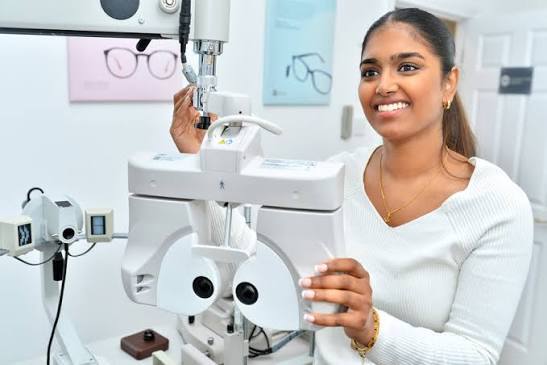
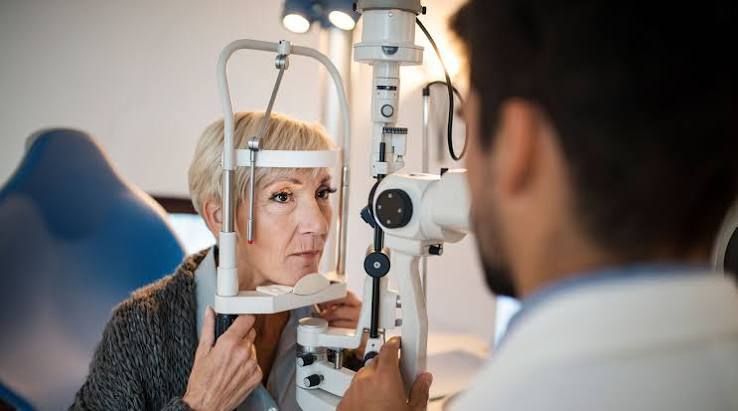
An NHS eye examination is much more than just a sight test. It is a thorough check of your eye health and can detect early signs of other health problems. During the test, the optometrist will:
Ask you to read letters on a chart while different lenses are placed in front of your eyes
Check the health of your eyes, often using special eye drops to see the back of your eye more clearly
Check your peripheral (side) vision
The optometrist can detect eye diseases at an early stage, often before you have noticed any changes yourself. Many eye diseases can be treated successfully if they are detected early.
NHS Optical Vouchers: Help With Glasses and Contact Lenses
If you are eligible for a free NHS sight test, you may also be entitled to an NHS optical voucher to help with the cost of glasses or contact lenses.
You qualify for an optical voucher if:
You are under 16 years of age
You are 16, 17 or 18 and in full-time education
You are named on a valid HC2 or HC3 certificate
You are named on, or included in, an award of someone getting a qualifying benefit
Optical vouchers provide a designated sum of money towards the cost of glasses or contact lenses. Your optician will issue the voucher after your eye examination.
What If You Do Not Qualify for a Free NHS Eye Test?
If you do not qualify for a free NHS sight test, you still have options:
1. NHS Low Income Scheme (LIS)
Even if you do not receive benefits, you may be able to get help through the NHS Low Income Scheme. You can apply for an HC2 certificate (full help) or an HC3 certificate (partial help). If you are named on a valid HC2 or HC3 certificate, you may be entitled to free or reduced-cost sight tests.
2. Employer-funded eye tests
If you regularly use a computer at work (even if you are working from home), your employer may be legally required to pay for an eye test.
3. Private eye tests
If none of the above applies, you can still have a private eye test. Costs vary but typically start around £20.
How to Check Your Eligibility
Not sure if you qualify? The NHS Business Services Authority (NHSBSA) provides a quick online tool where you can check if you are entitled to free NHS sight tests, glasses, or contact lenses.
You can also ask your local optician to advise you on your entitlement.
Final Advice
Do not wait for symptoms before getting your eyes tested. Many eye conditions, including glaucoma, have no early symptoms. By the time you notice a problem, some sight loss may already have occurred. Regular eye tests are one of the most important things you can do to protect your vision and overall health.
If you think you might be eligible, contact your local optician today. And remember in Scotland, eye tests are free for everyone, so there is no reason not to book one.
Disclaimer: This guide is for informational purposes only and does not constitute medical advice. Always consult your GP or pharmacist for guidance specific to your situation.