Regular dental test are essential for maintaining good oral health, yet many people avoid them due to cost concerns. Private dental examinations in the UK can cost anywhere from £20 to over £100, depending on the practice and location. The good news is that millions of people in the UK are entitled to free NHS dental check-ups and treatment provided you meet specific eligibility criteria.
This guide explains exactly who qualifies for a free dental check-up in the UK, how to access NHS dental services, what you can expect during an appointment, and what to do if you do not qualify.
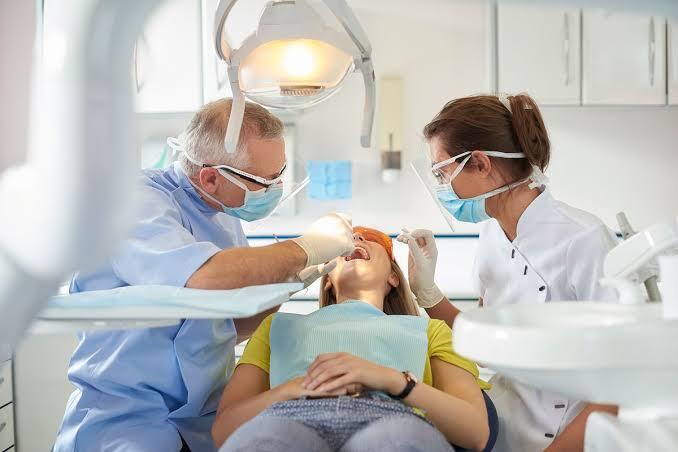
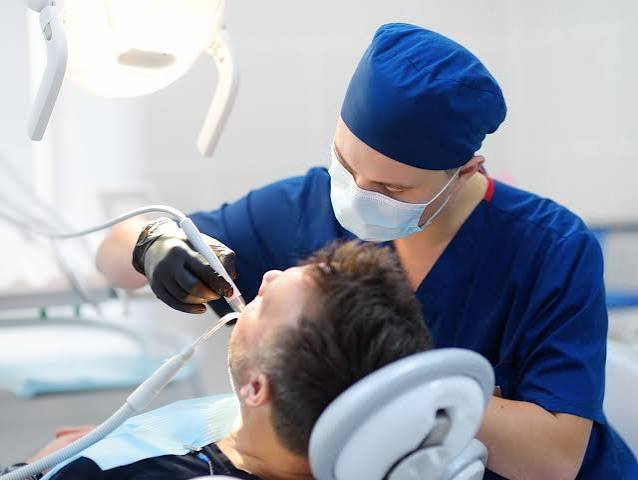
An NHS dental check-up (classified as Band 1 treatment) covers a thorough examination of your teeth, gums, and mouth. During the check-up, your dentist will:
Examine your teeth, gums, and soft tissues for signs of decay, disease, or abnormalities
Check for early signs of mouth cancer—dentists routinely carry out oral cancer screenings during check-ups
Provide advice on looking after your teeth and gums
Take X-rays if clinically necessary
Carry out a scale and polish (cleaning) if clinically needed
Discuss any treatment you may need and plan further care
If you qualify for free NHS dental care, you do not pay anything for the check-up itself, and you also do not pay for any necessary NHS treatment your dentist recommends. If your dentist says you need a particular type of treatment, you should not be asked to pay for it privately.
For some treatments, you may be referred to a specialist dentist. You will still be able to have all necessary check-ups and treatments on the NHS.
Who Is Eligible for a Free NHS Dental Check-Up in England?
In England, you qualify for free NHS dental care including check-ups and all necessary treatments—if you fall into any of the following categories.
Age-Based Eligibility
Under 18 years old—all children are entitled to free NHS dental care
Aged 16, 17, or 18 and in full-time education—this applies to those being taught full-time at a school, college, university, or at home
Young people leaving care—from 2026, care leavers are entitled to free NHS dental care, prescriptions, and eye tests up to their 25th birthday
Pregnancy and New Mothers
Pregnant women—you are entitled to free NHS dental treatment from the start of your pregnancy
Women who have had a baby in the previous 12 months—this applies to anyone who has given birth, including stillbirth, within the last 12 months
To prove your entitlement as a pregnant woman or new mother, you can use a:
Maternity certificate (MAT B1)
Valid maternity exemption certificate
Notification of birth form
Birth certificate
Stillbirth certificate
If you have a valid maternity exemption certificate, you are also entitled to free NHS prescriptions.
Benefits and Financial Support
You may also qualify if you or your partner receive certain government benefits. The main qualifying benefits include:
Income Support
Income-based Jobseeker’s Allowance
Income-related Employment and Support Allowance
Pension Credit Guarantee Credit
Pension Credit Guarantee Credit with Savings Credit
Contribution-based benefits do not automatically entitle you to free NHS dental treatment. These include:
New Style Jobseeker’s Allowance
New Style Employment and Support Allowance
If you get Pension Credit Savings Credit on its own, you are also not automatically entitled to free NHS dental treatment.
Universal Credit
If you get Universal Credit, you might be entitled to free NHS dental treatment, but this depends on your earnings. You are eligible if your total take-home pay in your last assessment period was:
£435 or less, or
£935 or less if you get the child element or you are assessed as having limited capability for work
It is important to note that not all people receiving benefits are entitled to free NHS dental treatment. Always check your specific situation using the official NHS eligibility checker.
NHS Hospital Treatment
People receiving dental treatment in an NHS hospital—if you are being treated by a hospital dentist as part of your NHS care
NHS Low Income Scheme
You can also get free NHS dental treatment if you have applied to the NHS Low Income Scheme and received:
An HC2 certificate (full help with health costs)—this entitles you to free NHS dental treatment
An HC3 certificate (partial help with health costs)—this may entitle you to help with the cost of your NHS dental treatment, and the certificate will tell you how much you have to pay
Dependants
If you are under 20 years old and are a dependent of someone who receives a qualifying low-income benefit, you may also be entitled to free NHS dental treatment.
Wales: Free Dental Check-Ups for Children and Over-60s
The eligibility rules in Wales differ from England in some important ways:
Free NHS dental examinations in Wales are available if you are:
Under 25 years old on the day you are examined—this is much broader than England’s under-18 rule
Aged 60 or over on the day you are examined
For children in Wales, NHS dental treatment is free, and children should have a check-up at least once a year.
Other eligibility criteria for free treatment in Wales are generally similar to England, including pregnancy, new mothers, and those on qualifying benefits.
NHS Dental Charges in Wales (from 1 April 2026)
If you do not qualify for free treatment, NHS dental charges in Wales are structured differently from England:
Service
Patient Charge
Urgent treatment
£37.50
New Patient Assessment (age 18+)
£27.21
Initial Assessment (under 18)
£0.00 (free)
Simple Restorative
£36.03
Extensive Restorative
£68.75
Recall (adult per visit)
£25.00
Recall (child per visit)
£0.00 (free)
Scotland: Free Dental Check-Ups for Everyone Under 25
In Scotland, free NHS dental examinations are available if you are:
Under 25 years old on the day you are examined
Aged 60 or over on the day you are examined
If you do not qualify for free treatment, you have to pay 80% of the cost of your NHS dental treatment, up to a maximum of £384 for each course of treatment.
Northern Ireland
In Northern Ireland, NHS dental treatment is free for:
Children under 18 (or under 19 if in full-time education)
Pregnant women
Women who have had a baby in the last 12 months
Those on qualifying low-income benefits
If you do not qualify for free treatment, you pay 80% of the cost of your NHS dental treatment, up to a maximum of £384 for each course of treatment.
How Often Should You Have a Dental Check-Up?
How often you need to see the dentist depends on your individual oral health needs:
Group
Recommended Frequency
Children (lowest risk)
At least once every 12 months
Adults (low risk)
At least once every 2 years
Adults (high risk)
Every 3 months or as advised by your dentist
Children should be taken to the dentist when their first tooth emerges—at about six months old—or at least by their first birthday.
If you are not experiencing any pain or symptoms, it is still important to have regular check-ups. If you wait until a cavity hurts, it may be too late to save the tooth. Regular check-ups with a dentist will identify issues early and help to keep your mouth healthy and disease-free. Dentists also carry out regular checks for mouth cancers.
How to Access Free NHS Dental Care
Step 1: Find an NHS Dentist
Use the NHS “find a dentist” service at: https://www.nhs.uk/service-search/find-a-dentist
You can contact dental practices directly to check if they are accepting new NHS patients.
Important note: Unlike GP practices, nobody is registered with a dentist. By completing a registration form at your dentist, you are simply being added to their database. This does not provide guaranteed access to an appointment.
Step 2: Check Your Eligibility
Before your appointment, use the official NHS eligibility checker to confirm you are entitled to free NHS dental care. The NHS Business Services Authority (NHSBSA) provides a free online tool that typically takes about three minutes to complete.
When you book, tell the receptionist that you believe you are eligible for free NHS dental care so they can confirm your entitlement. You may be asked to show proof of your eligibility at your appointment.
Step 4: Bring Proof of Eligibility
If you qualify based on age, you may not need to bring anything. If you qualify based on benefits, pregnancy, or the NHS Low Income Scheme, bring evidence such as:
Maternity exemption certificate
HC2 or HC3 certificate
Benefit award letter
Birth certificate (for new mothers)
MAT B1 form
What If You Cannot Find an NHS Dentist Accepting New Patients?
The NHS only receives funding for approximately 60% of the population to receive NHS dentistry, and the level of funding in reality is currently only sufficient for around 50% of the population to access routine NHS dental care. It is therefore not possible for everyone in the UK to receive NHS dental treatment.
While very few dentists may be accepting new NHS patients at the moment, they may all accept patients privately. Most dentists offer a payment plan that will ensure all routine care is carried out at a cost not too dissimilar to NHS services.
NHS Dental Charges for Those Who Pay (England 2026)
From 1 April 2026, NHS dental charges in England are:
Band
What It Covers
Cost (from April 2026)
Band 1
Examination, diagnosis, advice, X-rays (if clinically needed), scale and polish (if clinically needed), planning for further treatment
£27.90
Band 2
All Band 1 services plus fillings, root canal treatment, and removing teeth (extractions)
£76.60
Band 3
All Bands 1 and 2 services plus crowns, dentures, and bridges
£332.10
Unscheduled (Urgent) Care
Emergency dental treatment
£27.90
These charges represent an average increase of approximately 1.7% from the previous year. Before 1 April 2026, the charges were:
Band 1: £27.40
Band 2: £75.30
Band 3: £326.70
Urgent dental treatment: £27.40
What If You Are Not Entitled to Free NHS Dental Treatment?
If you do not qualify for free NHS dental treatment, you still have options:
1. NHS Low Income Scheme
Even if you do not receive benefits, you may be able to get help through the NHS Low Income Scheme. You can apply for:
An HC2 certificate (full help with health costs)—if successful, you will get free NHS dental treatment
An HC3 certificate (partial help with health costs)—this may entitle you to reduced-cost treatment
You do not need to claim benefits to be eligible. You must have less than:
£16,000 in savings, or
£23,250 if you live in a care home
You can apply online if you have less than £6,000 in savings, or by completing a HC1 paper form. If you need help applying, you can call the NHS Low Income Scheme helpline on 0300 330 1343.
2. Employer-Funded Dental Check-Ups
Some employers offer dental insurance or cover the cost of regular check-ups as part of employee benefits. Check with your HR department.
3. Dental Payment Plans
Most dentists offer payment plans that spread the cost of routine care over monthly instalments, making treatment more affordable.
4. Private Dental Insurance
Private dental insurance can help cover the cost of check-ups and treatments. Compare policies to find one that suits your needs and budget.
Important Warning: Penalty Charges
If you claim free NHS dental treatment when you are not entitled to it, you may receive a Penalty Charge Notice of up to £100, plus the cost of your treatment.
When you receive dental treatment, you will sign a form confirming you are eligible for free or discounted care. It is your responsibility to check whether you are eligible. For example, HC2 and HC3 certificates expire. You can be fined if you wrongly claim free treatment.
If you receive a letter asking you to confirm your entitlement, you have 28 days to respond. If you do not respond on time, you will get a Penalty Charge Notice. The penalty charge can increase by £50 if you do not pay it within 28 days.
If you pay for NHS treatment but later find out that you were eligible for free or reduced-cost treatment, you might be able to get a refund.
Final Advice
Do not wait for pain or symptoms before seeing a dentist. Many dental conditions including gum disease and oral cancer—have no early symptoms. By the time you notice a problem, significant damage may already have occurred. Regular dental check-ups are one of the most important things you can do to protect your oral health and overall wellbeing.
If you think you might be eligible for free NHS dental care, check your eligibility today using the official NHS checker. And remember in Wales, dental examinations are free for everyone under 25 and over 60, so there is no reason not to book one.
Disclaimer: This guide is for informational purposes only and does not constitute medical advice. Always consult your GP or pharmacist for guidance specific to your situation.